








Does cannabis affect your memory? If you’ve ever forgotten what you were saying mid-sentence after a session, you already know the answer. This short clip captures it perfectly — someone tries to argue that weed affects memory, and the response says it all: “What?” It’s funny because it’s real. Let’s break down what the research actually says.
How Does Cannabis Affect Your Memory?
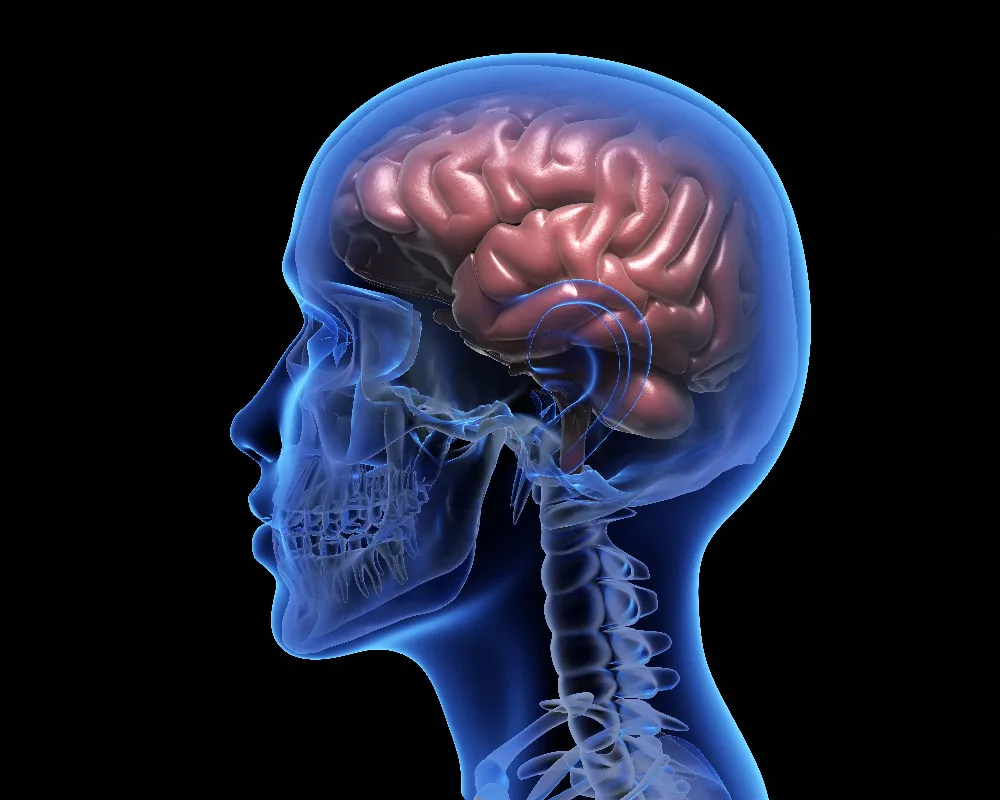
Cannabis affects memory primarily through THC (tetrahydrocannabinol), the main psychoactive compound. THC binds to CB1 receptors in the hippocampus — the brain region responsible for forming new memories. This temporary disruption is why short-term memory feels foggy during a high. The effect is real, but it’s also temporary for most adults who use in moderation.
5 Key Facts: Does Cannabis Affect Your Memory?
Here are 5 evidence-backed facts about cannabis and memory that every consumer should know:
- Short-term memory is most affected. THC disrupts the encoding of new memories during active intoxication. Once you’re sober, this effect largely reverses.
- Working memory takes a hit too. Holding and manipulating information in your head — like following a recipe or a conversation — can be harder while high.
- Heavy use in teens is a bigger concern. The developing brain is more sensitive. Adolescent heavy use is linked to longer-lasting memory and cognitive effects compared to adult use.
- CBD may offset some THC memory effects. Some research suggests CBD acts as a buffer against the memory-impairing effects of THC, which is one reason balanced strains are popular.
- Regular adult users often adapt. Experienced consumers develop tolerance to some cognitive effects, though this doesn’t mean there’s no impact — just that acute impairment is reduced.
Does Cannabis Affect Your Memory Long-Term?
This is where things get more nuanced. For adults who consume occasionally or moderately, the evidence for permanent memory damage is limited. Most studies show that after a period of abstinence (typically 4 weeks), cognitive performance largely returns to baseline. However, for heavy daily users — especially those who started young — there’s more evidence of lasting effects on verbal memory and processing speed. Dosage and frequency matter a lot.
Tips to Minimize Memory Impact While Consuming
- Use lower-THC strains or balance with CBD
- Microdose to stay functional
- Avoid daily heavy use if cognition is a priority
- Take tolerance breaks to reset your baseline
- Consume in the evening when memory tasks are done for the day
Frequently Asked Questions
Does cannabis affect your memory permanently?
For most adult moderate users, memory effects are temporary and reverse with abstinence. Heavy, long-term use — especially starting in adolescence — carries a higher risk of more lasting effects.
How long does cannabis affect memory?
Acute memory impairment typically lasts a few hours, correlating with active intoxication. Regular use can extend mild effects for days or weeks, but most users return to baseline after a few weeks of abstinence.
Does CBD affect memory the same way THC does?
No. CBD does not appear to impair memory the way THC does. In fact, some research suggests CBD may partially counteract THC’s memory-disrupting effects.
Can you prevent memory issues while using cannabis?
Yes — choosing lower-THC products, microdosing, taking regular tolerance breaks, and avoiding use during mentally demanding tasks all help reduce memory impact.
References
- Cannabis and Memory Effects — Healthline
- Effects of Cannabis on Memory — Wikipedia
- Cannabis and Cognitive Function — NCBI
Learn More on Herbistry420
Purchase Links
Use code herbistry420 for a discount on your DynaVap purchase:
🛒 DynaVap VapCap ‘B’ Series Manual Vaporizer
🛒 Pax3 Limited Edition Amber Vaporizer
🛒 DaVinci IQC + HydroTube Vaporizer
🛒 tCheck 2 — Cannabis Potency Tester
Note: Some links are affiliate links. Purchases through these links support the channel at no extra cost to you.
Add comment