

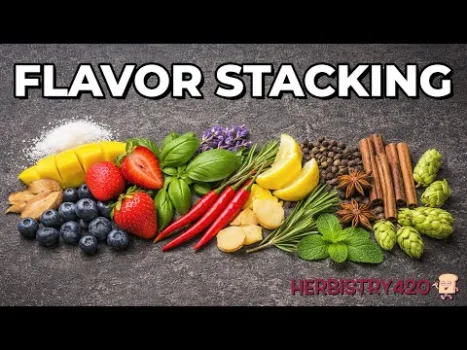
Flavor perception plays a major role in how a cannabis session feels. Beyond strain choice or device, the brain interprets taste, smell, and expectation together as a single sensory experience. Flavor stacking hits is a concept based on preparing your taste buds and aroma receptors before a session to influence how the experience is perceived.
More guides about sessions and techniques: Smoke / Vape / Blaze
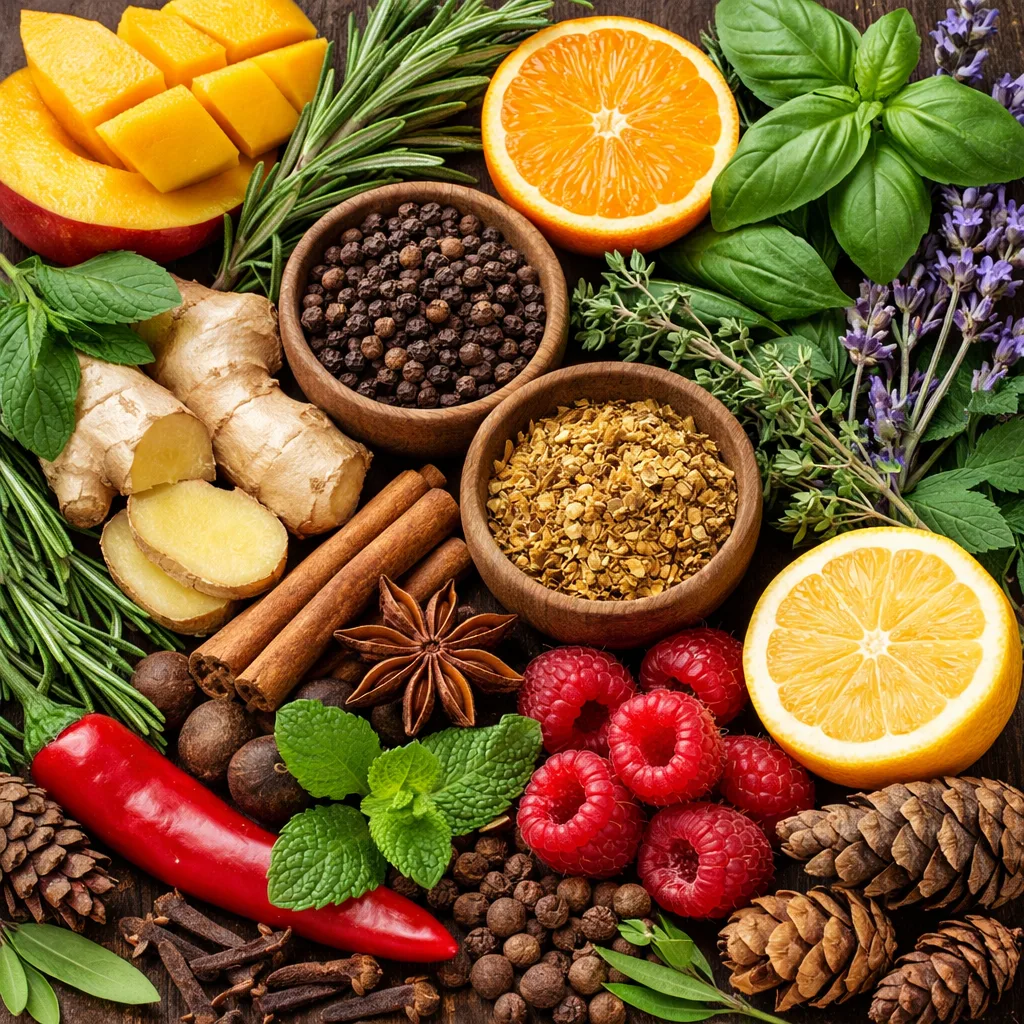
What Are Flavor Stacking Hits?
Flavor stacking hits involve consuming or smelling specific foods, herbs, or spices shortly before a session. The goal is not to chemically change cannabis, but to influence perception by directing attention toward certain flavors and aromas first.
In simple terms:
Preload flavor → Then begin the session
The brain blends the pre-existing taste and smell with the incoming aroma through retronasal olfaction (the smell pathway activated while inhaling). This layering can make flavors feel deeper, smoother, sweeter, or sharper depending on what was used beforehand.
Why Perception Matters More Than Chemistry
Taste is not only about what enters the body. It is a combination of:
- Smell
- Taste receptors
- Expectation
- Focus and attention
When one sensory element is emphasized beforehand, the brain amplifies related sensations afterward. This does not necessarily alter cannabinoids or potency — it changes interpretation.
Many foods contain aromatic compounds also found in cannabis. These shared aromas can create a sense of natural pairing even if no pharmacological effect occurs.
Timing and Absorption
Flavor stacking hits are influenced by digestion speed and absorption.
General timing guidelines:
- Liquids: faster sensory impact
- Solid foods: slower onset
- Strong flavors: immediate aroma influence
- Digestive effects: typically 30–60 minutes if any occur
Start small so the preload complements rather than overwhelms the session.
Common Flavor Stacking Examples
Below are introductory examples focused on sensory pairing rather than guaranteed effects.
Black Pepper and Citrus Juice
A small amount of ground black pepper mixed into orange juice or lemonade creates a strong aromatic base.
Why it’s used:
- Rich, spicy aroma
- Pairs well with balanced profiles
- Can shift attention toward warmth and spice notes
If any preload has noticeable influence beyond flavor, this one is most often discussed. However, effects may remain subtle or psychological.
Mango
Fresh mango slices or blended smoothies are commonly paired before relaxing sessions.
Why it’s used:
- Sweet tropical aroma
- Naturally complements earthy notes
- Encourages a heavier, mellow sensory perception
Any increased heaviness is often expectation-driven rather than chemically strong.
Basil Leaves
Chewing a basil leaf briefly before a session introduces a bright herbal aroma.
Why it’s used:
- Fresh aromatic profile
- Can smooth sharp flavors
- Often paired with lighter or focus-oriented experiences
This method emphasizes clarity rather than intensity.
Flavor Stacking Without Intent
You don’t need specific goals to use flavor stacking hits. Sometimes the purpose is simply sensory layering.
Examples include:
- Fruit juice
- Chocolate
- Sugar
- Hot sauce
- Herbal teas
By priming taste and smell receptors first, attention becomes centered on flavor, which can change how the session is interpreted.
Experimenting Safely
Approach flavor stacking with curiosity instead of expectation.
Guidelines:
- Start with small amounts
- Test one ingredient at a time
- Allow time between changes
- Focus on perception, not potency
Every person interprets sensory input differently, so results vary widely.
FAQ
Does flavor stacking change potency?
No. It affects perception rather than chemical strength.
How long before a session should I preload?
Usually immediately before or within 30 minutes depending on the ingredient.
Are the effects guaranteed?
No. Many changes are sensory or psychological.
Should I combine multiple ingredients?
Begin with one at a time to understand how each affects perception.
Is this only about taste?
No. Smell and expectation are equally important.
References
https://www.cdc.gov/marijuana/
https://www.canada.ca/en/health-canada/services/drugs-medication/cannabis/health-effects.html



Add comment