



Learning how to winterize rosin is the key to making clear, potent, no-clog vape carts at home. Fordee from Herbistry420 walks through the complete winterization process — from decarboxylating to removing lipids fats and waxes from rosin using ethanol, then evaporating to get clean oil ready for filling carts.
How To Winterize Rosin — Why It Matters
Depending on your starting material, pressed rosin may contain fats, lipids, and waxes that you don’t want in your final product. These compounds cause:
- Clogged 510 carts — the fats solidify and block airflow
- Poor flavor — plant lipids can degrade the taste profile
- Cloudy appearance — a hazy or waxy look in the final extract
Knowing how to winterize rosin solves all three problems. The process uses high-proof ethanol to dissolve everything, then freezing causes the fats and waxes to crash out so they can be filtered away.
Step 1 — Decarb Rosin Before Winterizing
Before winterizing, you need to decarb rosin before winterizing to convert solid THCA into liquid THC. This makes the rosin much easier to work with throughout the process.
- Place rosin in a borosilicate glass container (borosilicate handles temperature extremes without cracking)
- Cover loosely with aluminum foil
- Bake at 115°C / 240°F for 25–30 minutes
- The rosin will bubble and then become clear and liquid — that means it is ready
Step 2 — Winterize Rosin with Ethanol
To winterize rosin with ethanol, you add high-proof alcohol to dissolve the rosin completely before freezing. Use 10 times the volume of rosin in ethanol. For example, 6.8g of rosin requires 68ml of ethanol.
Use 190-proof ethanol (Everclear or similar). Do not use anything below 150 proof — lower proof alcohol contains too much water and will affect the process. While the rosin is still warm from decarbing, pour it into a larger beaker and add the measured ethanol. Stir to combine fully.
Step 3 — Freeze the Mixture
Once combined, place the sealed mixture in a freezer for 24–48 hours. The cold temperature causes the fats, lipids, and waxes to crash out of solution and form solid particles. These are now easy to filter out.
Step 4 — Remove Lipids Fats and Waxes from Rosin by Filtering
The filtering step is what actually removes lipids fats and waxes from rosin. Work quickly while the mixture is still cold. Pour the frozen mixture through a fine filter (coffee filter, lab filter, or bubble bag) to catch the crashed-out waxes and fats. The clean liquid passes through; the waxy material is trapped in the filter.
You may run it through the filter twice for extra clarity. The filtered liquid will be noticeably clearer than the original rosin.
Step 5 — Evaporate the Ethanol
The final step is to evaporate the ethanol from your filtered liquid. Use a hot plate at very low heat (or leave at room temperature for longer) in a well-ventilated area — ethanol is flammable. Never use an open flame near ethanol. Allow the alcohol to fully evaporate until you are left with clean, clear rosin oil.
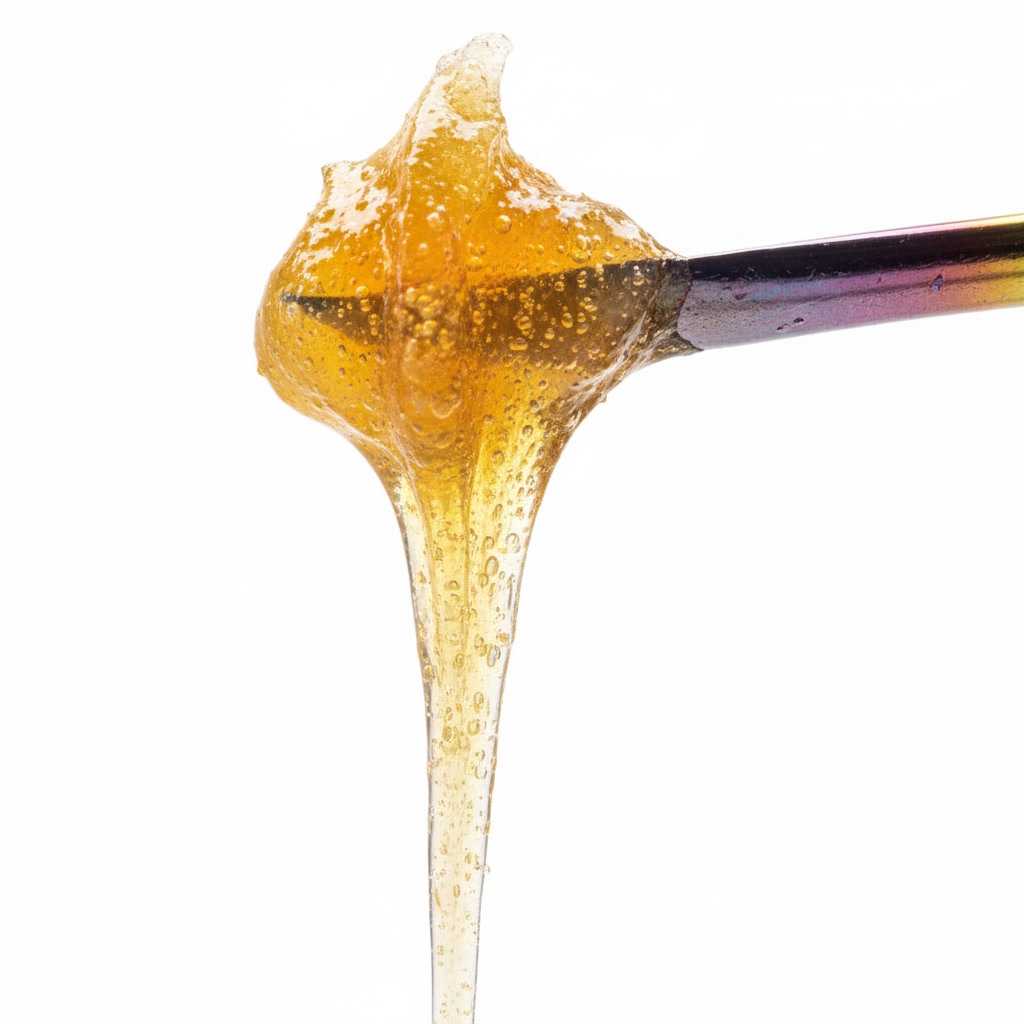
Your winterized rosin for carts is now ready to use. Expect to lose 40–60% of your original volume from this process — the material you removed was the wax and fat content you didn’t want anyway. The remaining oil is significantly more potent per gram.
Frequently Asked Questions
Do I have to decarb before I winterize rosin?
Yes. You need to decarb rosin before winterizing because THCA is a solid compound. Decarbing converts it to liquid THC, making the rosin much easier to dissolve in ethanol and work with throughout the winterization process.
What proof alcohol should I use to winterize rosin?
Use 190-proof ethanol for best results. Everclear is a common choice. Do not use anything below 150 proof — the water content in lower-proof spirits interferes with the winterization process.
Why do my vape carts clog even after winterizing?
If carts still clog after winterizing, either the ethanol ratio was too low (use 10:1 ethanol to rosin), the freezing time was too short (freeze 24–48 hours), or the ethanol was not fully evaporated before filling carts. Make sure the oil is completely ethanol-free before using it to fill 510 carts.
References
Learn More on Herbistry420
Purchase Links
Support the channel:
☕ Buy Me A Coffee / Beer / Spliff
🛒 Herbistry420 Merch Store
Note: Some links are affiliate links. Purchases through these links support the channel at no extra cost to you.
Add comment