

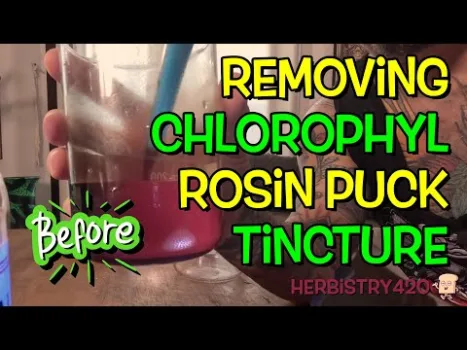


Why You Should Remove Chlorophyll From Cannabis Tincture
Homemade alcohol extracts often work perfectly but taste terrible. That harsh grassy bitterness comes from plant pigments pulled during extraction. When you remove chlorophyll from cannabis tincture, the improvement is immediate: smoother flavor, clearer appearance, and easier dosing.
Ethanol extracts cannabinoids efficiently, but it also extracts waxes, lipids, and pigments. Without cleanup, the result becomes dark green and unpleasant to use daily. Proper post-processing changes the entire experience.
Benefits of refining your tincture:
- Neutral, less bitter taste
- Improved color clarity
- Less throat irritation
- More accurate dosing perception
- Better edible mixing consistency
For broader extraction techniques:
https://www.herbistry420.com/category/extractions/
How Chlorophyll Gets Into Alcohol Extracts
To properly remove chlorophyll from cannabis tincture, you need to understand why it dissolves so easily. Chlorophyll molecules are released when ethanol penetrates plant cell walls. Agitation, warmth, or longer soaking increases pigment transfer.
Even fast washes still pull small amounts of chlorophyll. That means filtration is not optional — it is the finishing step that turns a crude extract into a refined one.
Equipment Needed
The most effective approach is vacuum filtration with adsorption media.
Required tools
- Büchner funnel
- Vacuum filtration flask
- Vacuum pump
- Oversized filter paper
- Activated charcoal
- Diatomaceous earth
- Alcohol tincture
This combination forms a filtration layer that traps pigment particles while cannabinoids pass through dissolved in alcohol.
Step 1 — Prime the Filter Paper
Place filter paper inside the funnel and wet it with ethanol.
Priming ensures a tight seal so liquid cannot bypass the edges. If the paper isn’t sealed, the tincture channels around the media and you won’t fully purify the extract.
Step 2 — Build the Filter Cake
To successfully remove chlorophyll from cannabis tincture, filtration order matters.
Add layers in this sequence:
- Diatomaceous earth base
- Activated charcoal top layer
The earth captures fine debris while charcoal binds pigment molecules. Together they clarify the tincture without stripping cannabinoids.
Step 3 — Run the Filtration
Slowly pour the tincture onto the filtration bed while the vacuum pump runs.
You will notice a color shift during the process:
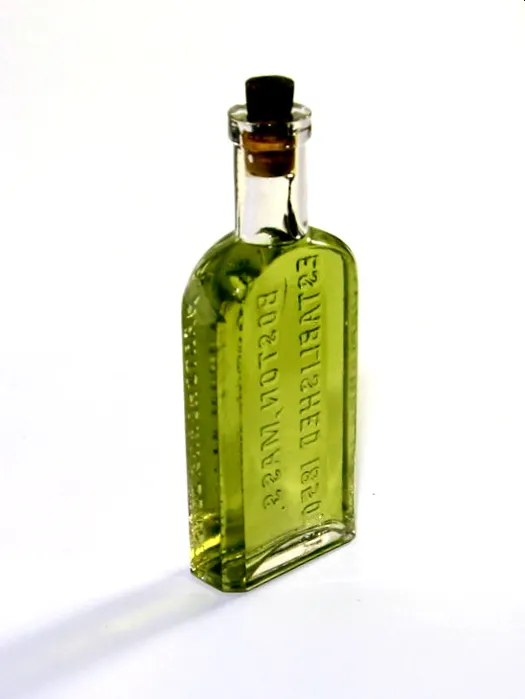
Green → Olive → Amber
Be patient — rushing collapses the filter cake and reduces purification efficiency. Stop the pump when drips slow significantly and the surface appears dry.
Confirming the Tincture Is Clean
A UV flashlight quickly confirms results after you remove chlorophyll from cannabis tincture.
Under black light:
- Red or burgundy glow = pigment present
- No glow = pigment removed
This fluorescence reaction is a reliable indicator that purification worked.
Potency After Filtering
Filtering does not significantly reduce cannabinoid strength. Many users think potency dropped, but the opposite often feels true because harsh plant taste is gone.
To measure accurately:
- Dilute a known amount of tincture
- Test concentration
- Multiply by dilution factor
For dosing guidance and edible calculations: Edibles
Why Activated Charcoal Works
Activated charcoal has enormous microscopic surface area. Instead of dissolving compounds, it traps them through adsorption.
Pigment molecules stick to the carbon while cannabinoids remain dissolved in alcohol. Diatomaceous earth prevents compaction and maintains even flow, helping remove chlorophyll from cannabis tincture efficiently.
Taste, Color, and Stability Improvements
After proper filtration expect:
- Amber coloration instead of green
- Smooth mouthfeel
- Cleaner aroma
- More consistent dosing
Refined tinctures also store better because excess plant material accelerates degradation. Removing impurities helps maintain flavor for longer periods.
Safety Considerations
Work in a ventilated area when handling ethanol. Alcohol vapors accumulate quickly and can ignite.
Keep equipment away from sparks or flame and allow glassware to dry completely before storage.
Final Thoughts
Learning how to remove chlorophyll from cannabis tincture turns a harsh homemade extract into a clean, professional-quality preparation. The process doesn’t change cannabinoids — it simply removes unwanted plant compounds.
Vacuum filtration with activated charcoal and diatomaceous earth is one of the most effective refinement steps available. Once you perform it correctly, you’ll never want to skip this finishing stage again.
Add comment