



Ruby vs SiC terp pearls — which one is actually better for your setup? In this complete guide, we break down the 7 best differences between gem-cut ruby terp pearls and silicon carbide (SiC) terp pearls, so you can make the right choice for your dab rig or ball vape.
What Are Terp Pearls?
Terp pearls (also called dab pearls or banger beads) are small spherical objects used in ball vaporizers and dabbing setups. They improve heat retention, airflow distribution, and overall vaporization efficiency. This ruby vs SiC terp pearls comparison will look at both materials side by side to help you decide which is right for your setup.
Ruby vs SiC Terp Pearls: 7 Best Differences
1. Material Composition
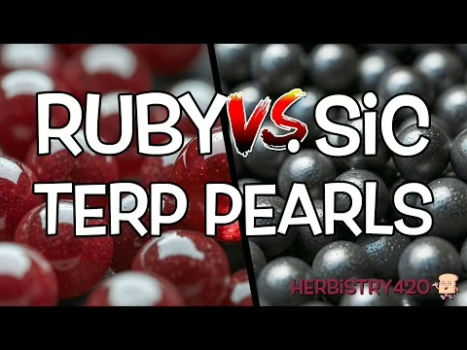
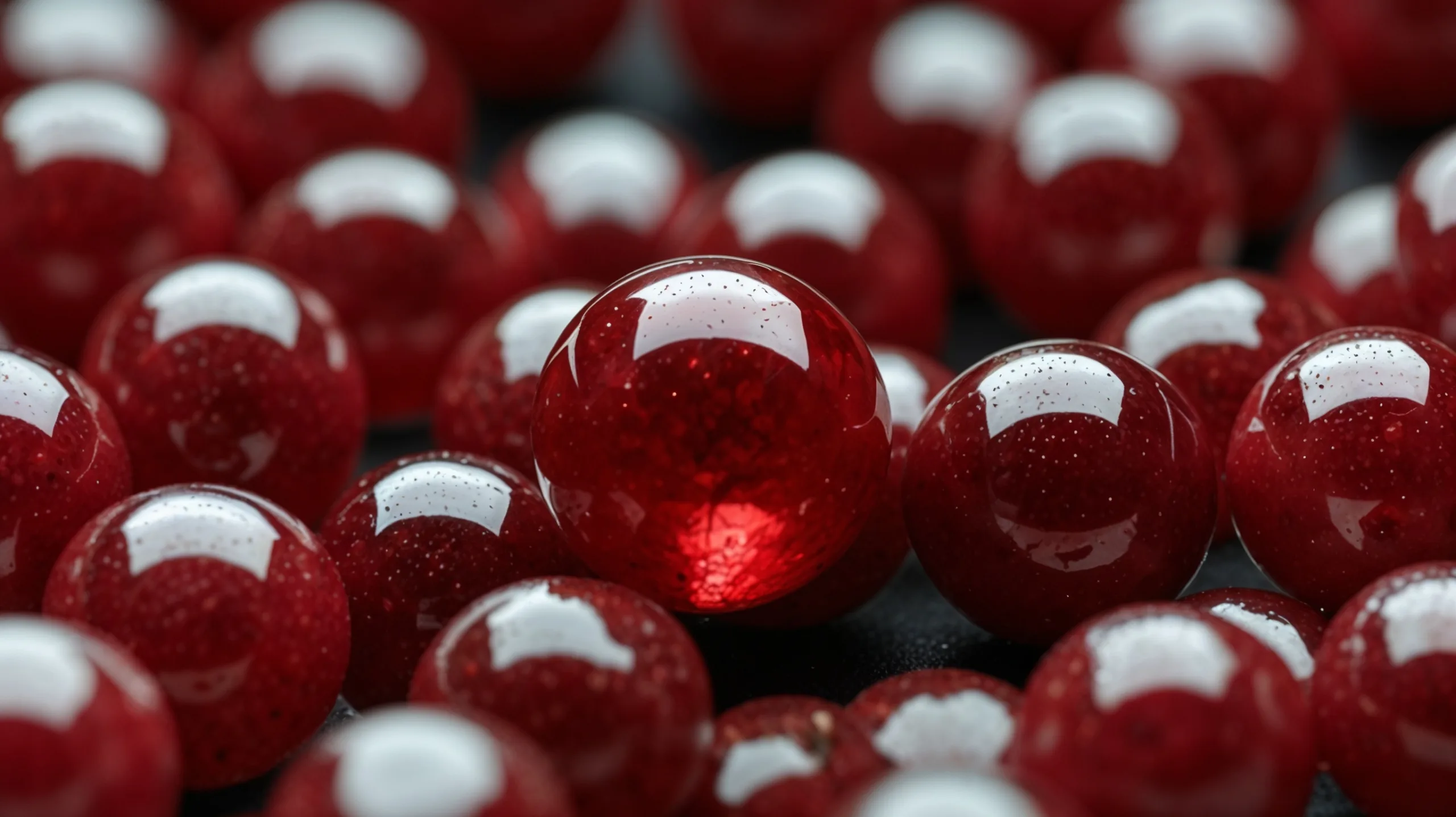
Ruby terp pearls are made from synthetic ruby, a form of corundum (aluminum oxide). They’re extremely hard — rating 9 on the Mohs hardness scale — and are often faceted with a gem-like appearance for both aesthetics and enhanced spinning dynamics.
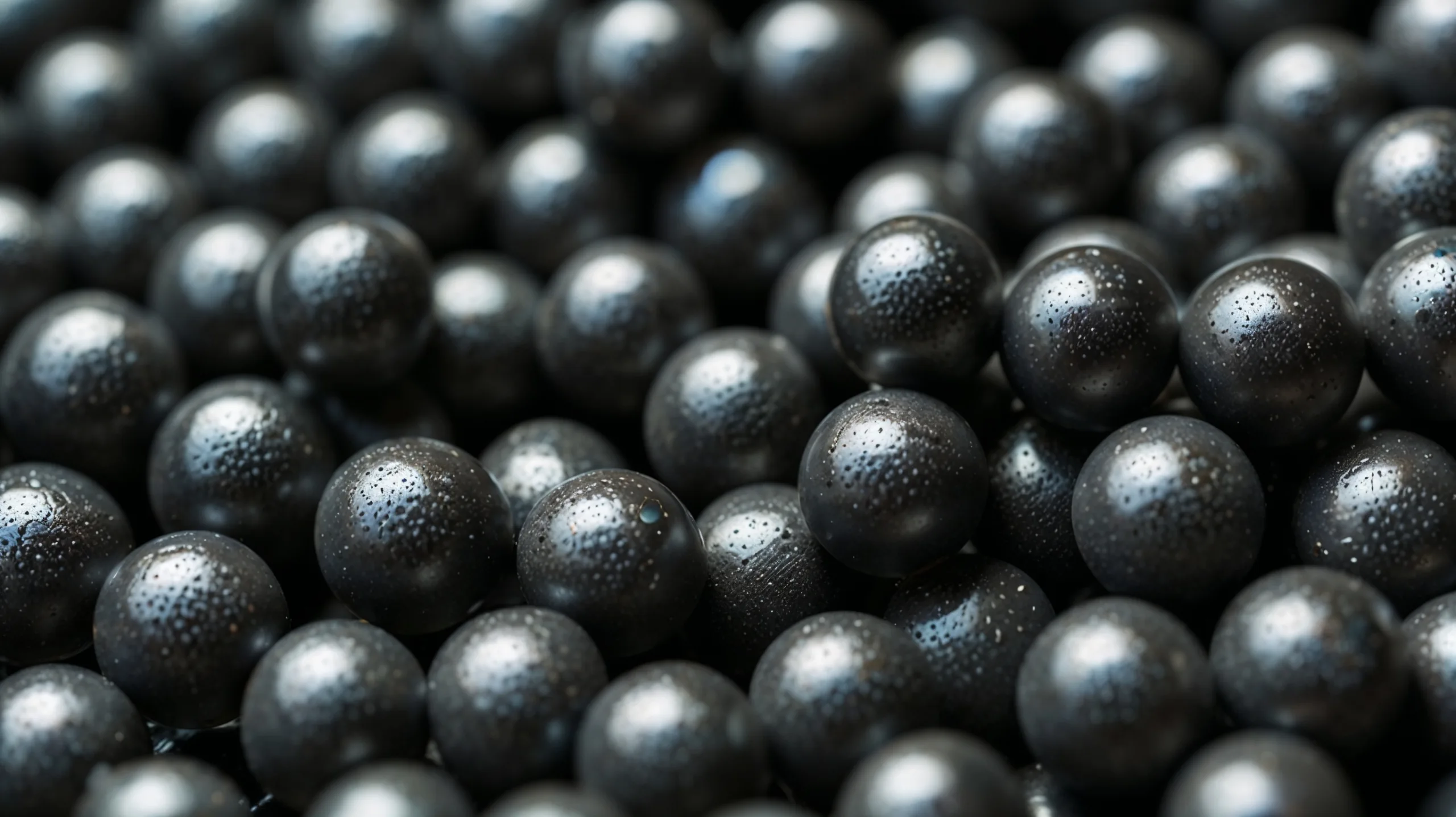
Silicon carbide (SiC) terp pearls are made from silicon carbide, a ceramic-like material known for excellent heat retention. Their hardness clocks in at 9.5 on the Mohs scale, giving them additional thermal and chemical stability over ruby.
2. Heat Retention & Conductivity
Ruby terp pearls have good heat retention but are less thermally conductive than SiC. They can also be more prone to hot spots if heat isn’t distributed evenly. Silicon carbide terp pearls offer superior heat conductivity and even heat distribution, retaining heat longer and allowing for better low-temp dabbing precision.
3. Durability & Chemical Resistance
Ruby terp pearls are highly durable and resistant to wear, but can crack under extreme thermal shock — for example, rapid cooling after intense heating. SiC terp pearls are even more resistant to thermal shock and chemical degradation, and are practically unbreakable under regular dabbing conditions.
4. Aesthetics & Visual Appeal
Ruby terp pearls are visually stunning — rich red or pink hue with gem-like facets that look amazing in clear glass bangers. SiC terp pearls are typically dark gray or black with a matte or polished finish — minimalistic and industrial in their aesthetic. If you love a flashy setup, ruby wins; if function-first is your style, SiC is cleaner.
5. Cost & Availability
Ruby terp pearls are generally more affordable and widely available. Silicon carbide terp pearls tend to be more expensive but are preferred by performance-focused dabbers who prioritize function over form. When comparing ruby vs SiC terp pearls on value, ruby wins for budget-conscious buyers.
6. Who Should Choose Ruby Terp Pearls?
Ruby terp pearls are ideal for users who value aesthetics and a slightly slower, smooth vaporization process. They add a touch of luxury to any dab rig or ball vape setup and perform excellently for everyday dabbing at most temperatures.
7. Who Should Choose SiC Terp Pearls?
Silicon carbide terp pearls are favored by advanced dabbers who prioritize performance, efficiency, and precise temperature control. If you’re dialing in exact temps — say, 380°F vs. 383°F — SiC gives you the heat consistency and thermal stability that ruby can’t quite match. There’s also zero risk of thermal shock cracking with SiC.
Ruby vs SiC Terp Pearls: Real-World Performance
In this video, Fordee from Herbistry420 uses the JCVAP HerbCloud Chamber (mounted on the Pockety ball vape) to demonstrate both terp pearl types. The 2mm version of the HerbCloud holds approximately 300 terp pearls — compared to just 38 in the 4mm version. More pearls means more heat retention, fuller vaporization, and greater efficiency.
The SiC version was tested at 446°F max temp with a new recycler glass piece — and the results were massive. The first hit nearly cleared the entire bowl. The ruby version also performed excellently — so both ruby vs SiC terp pearls options are genuinely great for most users.
Frequently Asked Questions: Ruby vs SiC Terp Pearls
Are SiC terp pearls better than ruby?
SiC terp pearls offer better heat conductivity, thermal stability, and durability compared to ruby. For precision dabbers and temperature-sensitive sessions, SiC is the superior choice. That said, ruby terp pearls perform excellently for most everyday users and have a more attractive appearance.
Do ruby terp pearls affect flavor?
Yes — ruby terp pearls can provide a slightly different flavor profile. Some users report a smoother, slightly slower vaporization process with ruby, which can preserve terpene flavor at lower temperatures. SiC terp pearls are considered more flavor-neutral due to their inert composition.
Can ruby terp pearls crack?
Ruby terp pearls can potentially crack under extreme thermal shock — such as rapid cooling after high heat. In practice, this is rare. Fordee notes he’s never had a ruby terp pearl crack in normal use, whether in the HerbCloud or other devices. SiC pearls are essentially thermal-shock proof.
What size terp pearls are best for ball vapes?
For ball vapes like the JCVAP HerbCloud, 2mm terp pearls are preferred. The smaller size allows for nearly 300 pearls per chamber (vs. 38 for 4mm), delivering more heat retention, better airflow contact with the herb, and more efficient vaporization overall.
References
Learn More on Herbistry420
- Gear Reviews — In-depth vaporizer and accessory reviews
- Smoke / Vape / Blaze — Tips, tricks, and session guides
- Cannabis Testing — Temperature, material, and performance comparisons
Purchase Links
Save 15% on your purchase at JCVAP with coupon code herbistry420
Note: Some of the provided links are affiliate links. If you make a purchase through these links, I may earn a small commission at no additional cost to you. This helps support the channel and allows me to continue making videos for free. Thank you for your support!
Add comment