




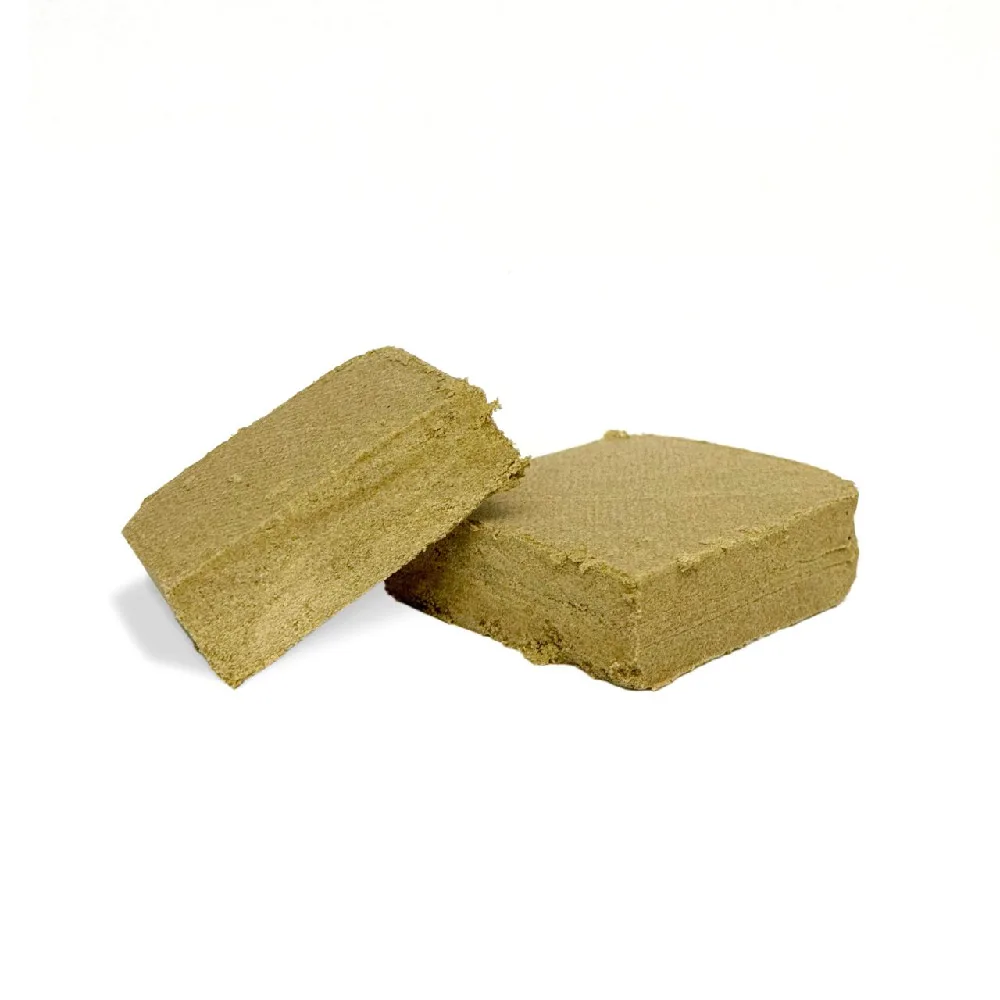
Making high-grade hash isn’t just about shaking material — it’s about control. The entire goal is simple: isolate trichome heads and leave everything else behind.
These Static Dry Sift Hash Tips will help you consistently produce cleaner melt, better flavor, and more predictable texture whether you’re a beginner or already refining technique.
Keep Everything Cold (The Most Important Rule)
Cold temperatures make trichome heads brittle.
When the material warms up:
- Resin becomes sticky
- Heads smear instead of separating
- Tools get contaminated
- Yield decreases and quality drops
A properly chilled room dramatically improves separation. Many hash makers actually feel uncomfortably cold during processing — that’s exactly where you want the environment.
Screen Selection Matters
Typical static workflow uses multiple micron screens:
220 micron → down to 45 micron
Purpose of each stage:
| Screen Range | Function |
|---|---|
| 220–160 | Removes large contaminants |
| 160–120 | Separates plant fragments |
| 120–73 | Begins isolating usable resin |
| 73–45 | Collects premium heads |
The cleaner the separation between screens, the closer you get to full-melt quality.
One of the most valuable Static Dry Sift Hash Tips is patience — rushing screens mixes grades together.
Tools You Actually Need
The process is surprisingly minimal:
- Nylon or stainless screens
- Cards (for moving material)
- Soft brushes
- Nitrile gloves
Gloves matter not just for hygiene — skin warmth melts resin instantly.
Strain Choice Changes Everything
Not every cultivar produces good sift.
Important factors:
- Trichome head size
- Resin viscosity
- Cuticle thickness
- Harvest maturity
Some strains release heads easily while others smear. Experienced hash makers adjust pressure and brushing technique per cultivar rather than using one universal approach.
Static Collection: Catch the Heads Only
True static sift aims to capture just the trichome heads, not stalks and not dust.
Difference between pollen and static hash:
- Pollen = mixed particulate resin
- Static = isolated heads
That distinction determines whether the hash melts clean or leaves residue.
Texture & Curing Control
After collection, the resin can be finished in multiple ways:
Sandy Fresh Resin
Freshly collected heads resemble fine sand.
Most pure state — many connoisseurs prefer this stage.
Warm Worked (Glassy)
Light heat + pressure creates a shiny pressed texture.
Cold Cure (Opaque/Crumbly)
Aging for weeks produces a crumble-like consistency.
These texture changes don’t alter potency — they change experience and handling.
Humidity & Season Effects
Environment continues to affect resin even after collection.
Heat and humidity can:
- Darken color
- Change texture
- Accelerate curing
One overlooked Static Dry Sift Hash Tips detail: summer handling requires faster processing than winter due to natural resin softening.
Consumption Matters Too
Full-melt performs best in controlled heating devices or gentle vaporization.
High heat destroys flavor and wastes quality.
Properly processed static should deliver:
- Clean melt
- Minimal residue
- Intense terpene flavor
If residue remains, contaminants made it through screening.
Final Thoughts
Mastering Static Dry Sift Hash Tips isn’t about a single trick — it’s understanding how temperature, strain, handling, and patience interact.
Cold environment + gentle separation + correct curing = true full-melt.
Once dialed in, static sift becomes one of the most flavorful and expressive forms of cannabis concentrate available.
Another useful detail when applying Static Dry Sift Hash Tips is minimizing handling time after collection. The longer resin sits exposed to air, light, and warmth, the faster oxidation begins, affecting color and aroma. Many hash makers immediately jar their heads and store them in a cool, dark environment to preserve terpene integrity. Even small environmental changes can shift flavor dramatically, so consistent storage conditions help maintain repeatable results batch after batch.
References (External)
For more information about cannabis effects and safety see:
Health Canada – Effects of Cannabis
CDC – Cannabis and Public Health
Learn More About Cannabis Basics
New to cannabis? Explore these guides:
- Edibles: https://www.herbistry420.com/category/edibles/
- Smoke, Vape, Blaze: https://www.herbistry420.com/category/smoke-vape-blaze/
- Cannabis Testing: https://www.herbistry420.com/category/cannabis-testing/
- Reviews: https://www.herbistry420.com/category/reviews/
- Dear Ganja Diary: https://www.herbistry420.com/category/dear-ganja-diary/
Add comment