

Vape Temperature Guide: Low, Mid, and High
Understanding the vape temperature guide is crucial for getting the most from your sessions.
This vape temperature guide will help you determine the ideal temperature for various compounds.
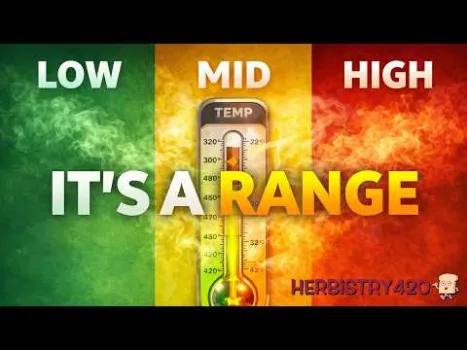
Many people ask for the “best” temperature to vape at, but vaporization does not work as a single number. Instead, it works across a range of energy levels that determine which compounds are released and how the session feels. This vape temperature guide explains what vaporization really means, how compounds respond to heat, and why devices change the results.
More inhalation technique guides: Smoke / Vape / Blaze
For instance, consult the vape temperature guide to understand how terpenes react at different levels.
What Vaporization Actually Means
Vaporization occurs when compounds receive enough energy to transition into vapor without burning. Combustion involves ignition and smoke, while vaporization releases active components through evaporation.
Following a vape temperature guide can enhance your overall vaporization experience.
Different compounds require different energy levels. Because of this, temperature selection is not about stronger or weaker — it is about choosing which compounds you want to release.
Terpenes and Why They Matter
Terpenes are aromatic compounds found in many plants. They create flavor, aroma, and contribute to how a session feels. These compounds are delicate and usually release at lower temperatures.
Examples of terpene characteristics:
- Bright and uplifting aromas release earlier
- Heavier aromas release later
- Excess heat can degrade them
Lower temperatures preserve nuanced flavor. Higher temperatures may reduce complexity even while increasing vapor density.
Refer to the vape temperature guide when selecting your device settings for optimal results.
Cannabinoids and Temperature
Cannabinoids generally require more energy than terpenes to vaporize. As temperature increases, more compounds become available.
Common cannabinoid behaviors:
- Lower ranges: lighter mental effects
- Middle ranges: balanced experience
- Higher ranges: heavier and sedative leaning
The effect profile changes not only because of quantity but because different compounds become active at different stages.
Low Temperature Sessions
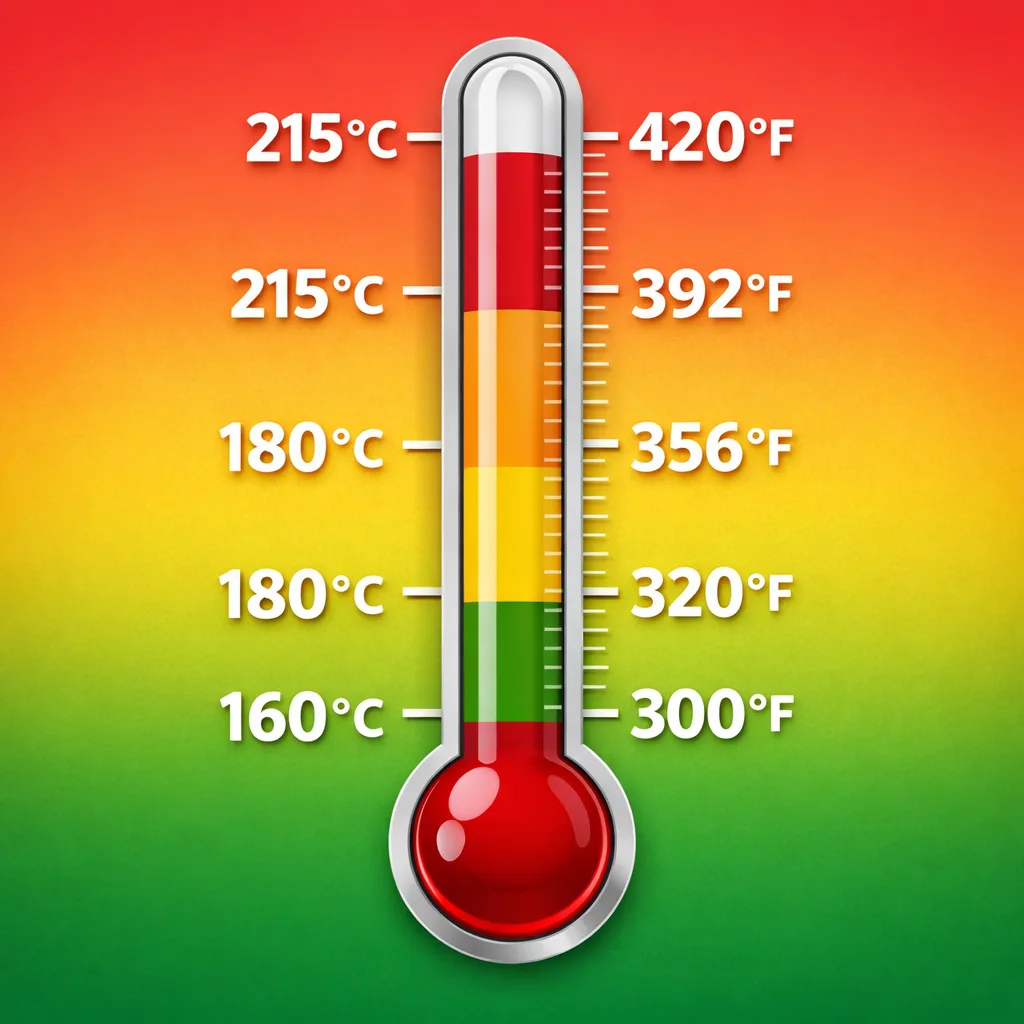
Approximate range: 320–356°F (160–180°C)
Characteristics
- Clear and mild
- Strong flavor
- Smooth vapor
- Reduced coughing
Low temperature sessions work well for daytime use or subtle experiences because fewer heavy compounds are released.
Mid Temperature Sessions
Approximate range: 356–392°F (180–200°C)
Characteristics
- Balanced mind and body effects
- Noticeable vapor
- Retained flavor
This range is often considered the most versatile because it extracts both lighter and heavier compounds without overwhelming intensity.
High Temperature Sessions
Above roughly 392°F (200°C)
Characteristics
- Dense vapor
- Toasted flavor notes
- Stronger effects
High temperature extraction releases more compounds quickly but sacrifices some flavor detail.
Why Heating System Changes Everything
A temperature number only has meaning within a specific heating style.
Conduction heating
The vape temperature guide highlights the importance of knowing your device’s capabilities.
High temperature extractions should be approached carefully, as stated in the vape temperature guide.
Transfers heat through direct contact. Temperatures tend to align closely with displayed values.
Convection heating
Uses hot air movement. Higher settings may be needed to reach similar extraction because air cools as it flows.
Two devices set to the same number may not produce identical results.
Manual Vaporizers and Time-Based Control
Manual vaporizers control energy through heating duration rather than digital temperature.
Be sure to consult the vape temperature guide before making your selections.
- Short heating = lower extraction
- Longer heating = higher extraction
Instead of selecting a number, users select timing.
Heat Storage and Thermal Mass
Some devices include materials that store heat. Stored heat continues extracting compounds after heating stops.
Effects of thermal mass:
- Temperature stacking
- Harder to stay in low range
- Stronger later draws
The vape temperature guide is an essential tool for maximizing your experience.
Understanding how to use the vape temperature guide will lead to better sessions.
Material choice also matters. Metals that retain heat extend extraction, while faster-cooling materials allow more precision.
Designing a Session Intentionally
A vape temperature guide is not about copying a number. It is about choosing outcomes.
Consider three factors:
- Target compounds
- Heating style
- Duration of heat
When all three align, sessions become consistent instead of unpredictable.
For the best results, always refer back to the vape temperature guide.
FAQ
Is there a perfect temperature?
No. The ideal range depends on the compounds you want to release and the device used.
Why does flavor disappear at higher temperatures?
Delicate aromatic compounds degrade with excess heat.
Why do two devices feel different at the same setting?
Different heating methods deliver energy differently.
Can manual devices control temperature?
They control time, which indirectly controls energy and extraction level.
The vape temperature guide is your friend in achieving the best flavors.
Are higher temperatures always stronger?
They release more compounds quickly, but not always more desirable ones.
References
https://www.cdc.gov/marijuana/
https://www.canada.ca/en/health-canada/services/drugs-medication/cannabis/health-effects.html
As you experiment, keep the vape temperature guide handy for comparison.
Each session can be different, so the vape temperature guide is vital for consistency.
The vape temperature guide serves as a baseline for your sessions.



Add comment